
Connecting housing and planning in practice
How Vienna uses zoning to keep housing affordable?
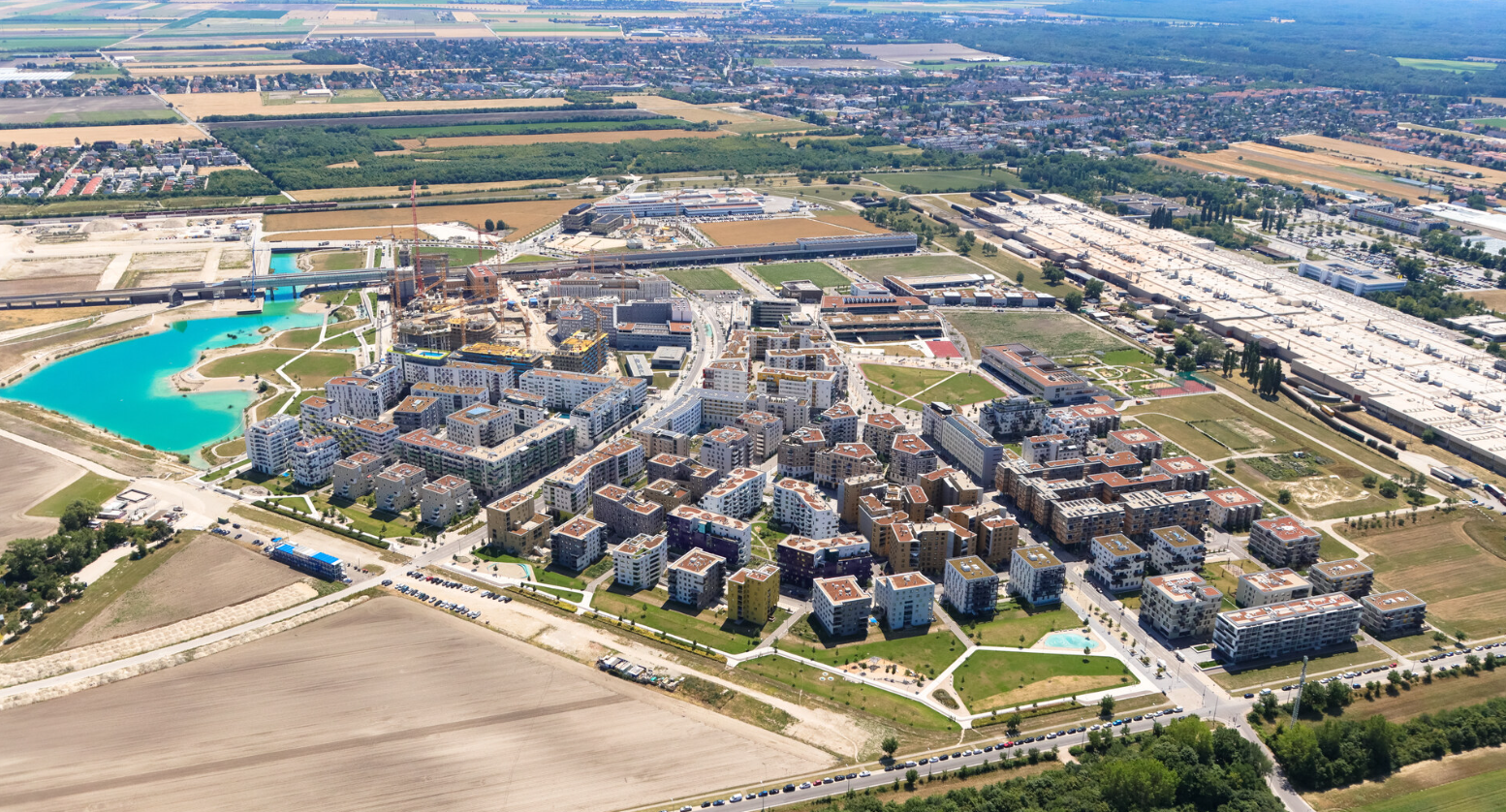
Seestadt Aspern, where large number of apartments is subsidized
Source: https://www.gehlpeople.com/projects/aspern-seestadt/
As housing costs continue to rise across European cities, Vienna has adopted an innovative planning tool to preserve affordability and limit land speculation.
In November 2018, the city introduced the ‘Subsidized Housing’ zoning category as part of an amendment to the Vienna Building Code. Under this regulation, developments within designated areas must allocate at least two-thirds of their residential floor space to subsidized housing. The policy aims to ensure a continued supply of affordable homes while fostering social mix across the city.
The zoning category is primarily applied when industrial or commercial land is converted to residential use, but it can also be used in higher-density and high-rise developments. Importantly, the regulation only applies to projects providing more than 5,000 m² of residential floor space, allowing the city to target larger developments with significant market impact.
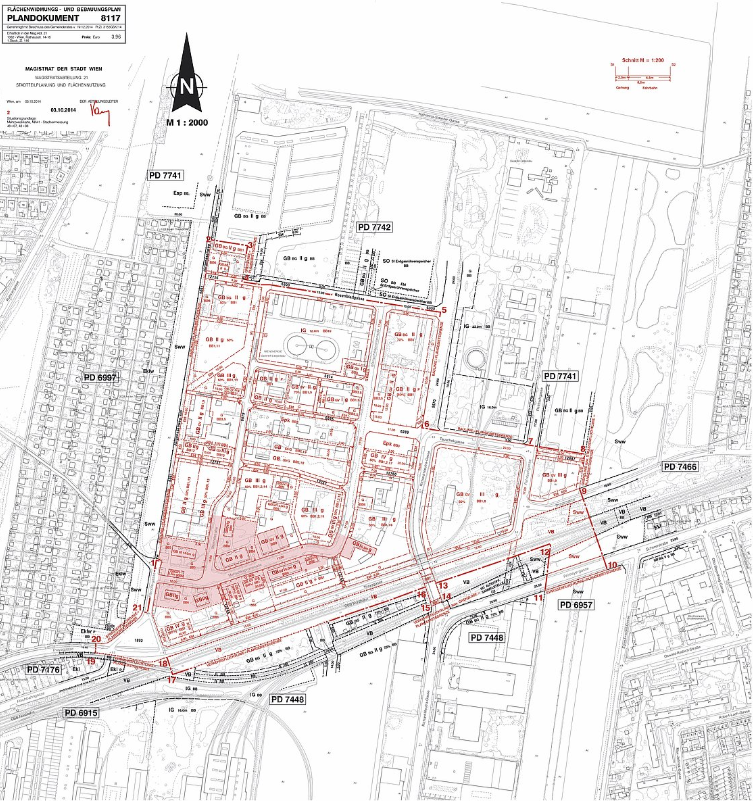
Vienna zoning and development plan
Source: https://socialhousing.wien/tools/urban-development-and-land-policy
One notable example is the continued development of Seestadt Aspern, one of Europe's largest urban development projects. A large number of apartments is subsidized. The development contains residential units alongside community and commercial facilities, reflecting Vienna's integrated approach to urban development and housing provision.
Vienna's approach demonstrates how spatial planning and land-use regulation can be leveraged not only to shape urban growth but also to achieve long-term housing policy objectives.
Source: Social Housing Vienna. (n.d.). Urban development and land policy. City of Vienna. Retrieved August 18, 2026, from https://socialhousing.wien/tools/urban-development-and-land-policy